🐟 THE COMPLETE FISH FARMING GUIDE
From Your First Fish Pond to a Well-Managed, Profitable Fish Farming Business
🌱 Everything You Need to Understand About Starting, Managing, Growing, Harvesting, and Selling Fish — Even If You're a Complete Beginner.
What if your journey into fish farming could begin with a clear plan instead of expensive mistakes and endless guesswork?
Fish farming offers opportunities for aspiring entrepreneurs, farmers, and anyone interested in building a sustainable agricultural business.
But successful fish farming requires more than buying fingerlings and putting them into a pond.
You need to understand the entire process.
PLAN • BUILD • STOCK • FEED • MANAGE • HARVEST • SELL
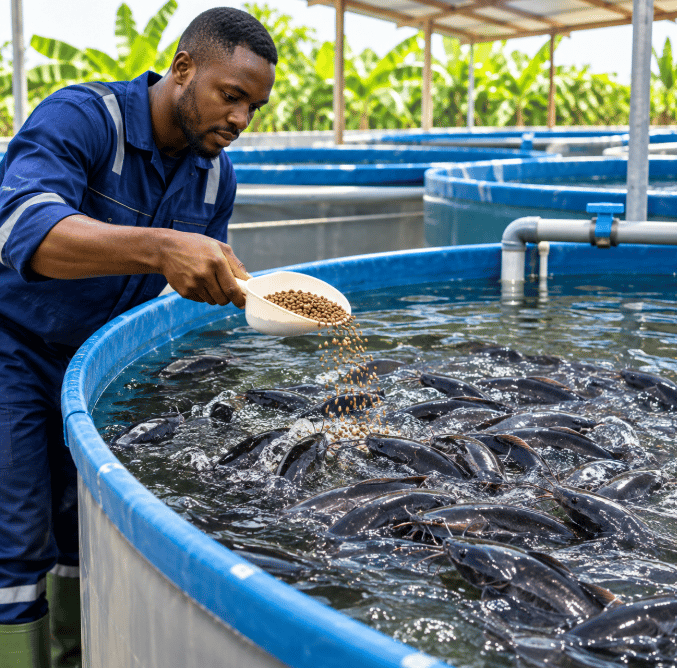
⚠️ WANT TO START FISH FARMING BUT DON'T KNOW WHERE TO BEGIN?
Imagine investing your time, energy, and resources into a fish farming project, only to discover that you overlooked something important.
Perhaps you chose the wrong pond system.
Perhaps your fish aren't growing as expected.
Maybe you're spending too much on feed, struggling with water quality, or unsure when to harvest.
And when problems arise, you don't know what to do next.
These challenges can turn an exciting business opportunity into a frustrating experience.
Many beginners make avoidable mistakes because they start without understanding the complete production process.
But you don't have to approach fish farming blindly.
With the right knowledge, planning, and management practices, you can make more informed decisions from the very beginning.
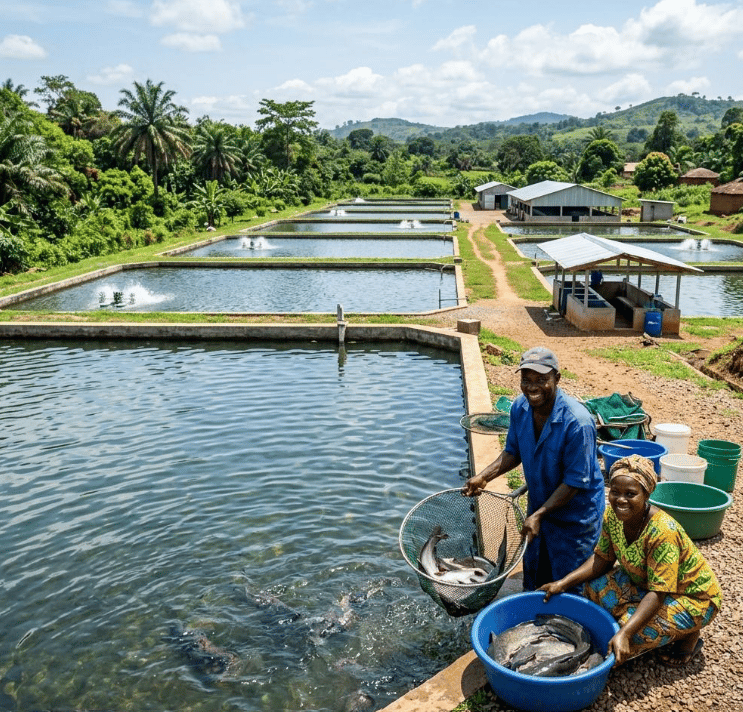
🚀 INTRODUCING THE COMPLETE FISH FARMING GUIDE
Your Step-by-Step Roadmap to Starting and Managing a Fish Farm
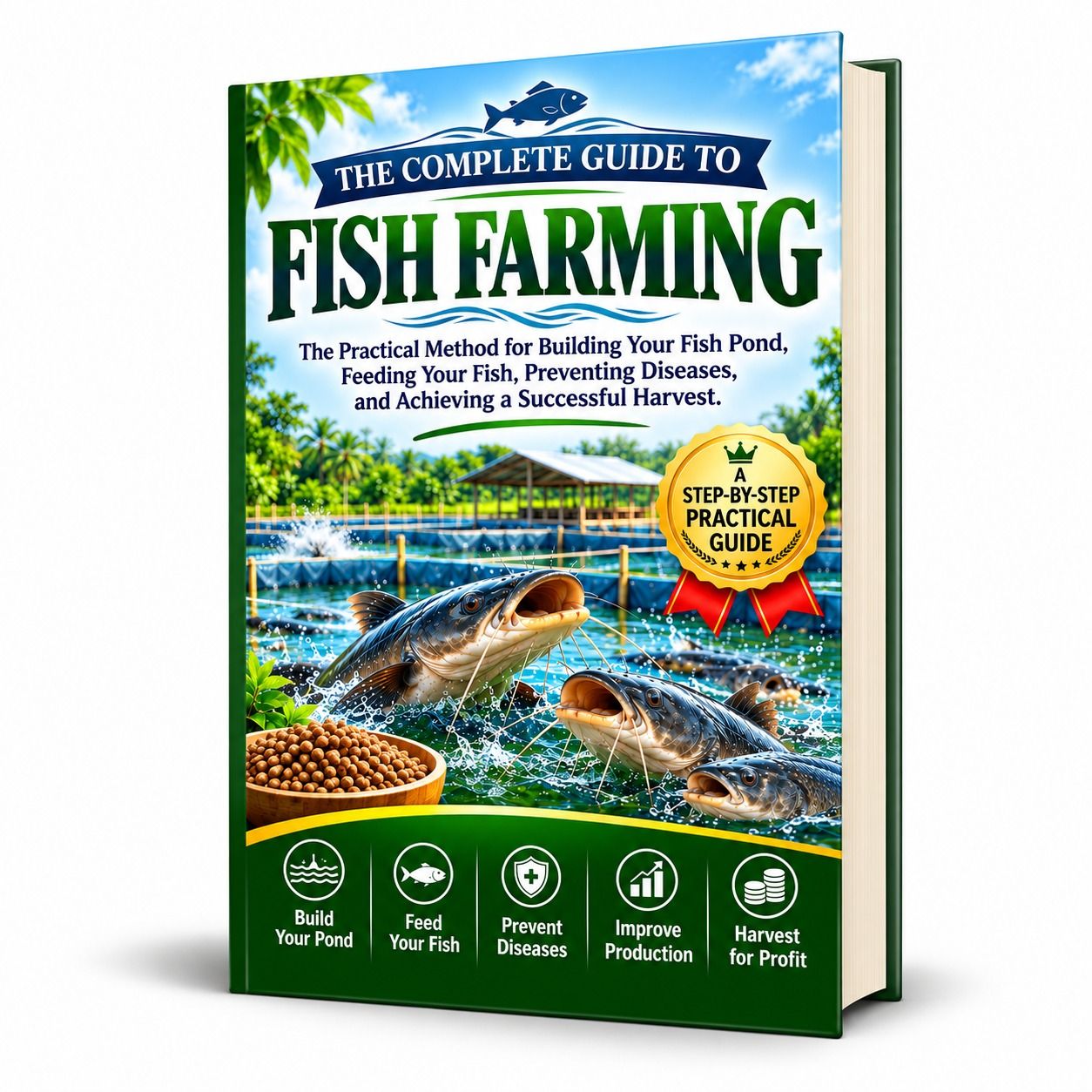
THE COMPLETE FISH FARMING GUIDE is a practical digital manual designed to help beginners and aspiring fish farmers understand the essential stages of fish production.
From planning your farm and preparing your pond to feeding, monitoring, harvesting, and marketing your fish, this guide brings the major steps together in one structured resource.
Instead of searching through countless disconnected videos and articles, you can follow a clear learning path.
Your goal isn't simply to raise fish. It's to develop the knowledge and management skills needed to run a serious fish farming operation.
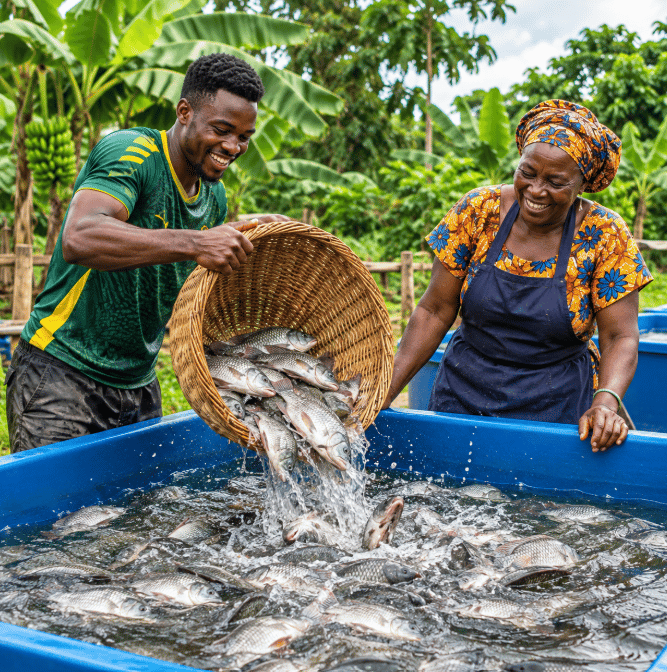
📖 WHAT YOU'LL DISCOVER INSIDE THE GUIDE
🏗️ 1. HOW TO PLAN AND SET UP YOUR FISH FARM
Before you introduce your first fish, you need a suitable production environment.
Explore the important considerations involved in choosing a farming system, preparing your facilities, planning your operations, and organizing your resources.
Start with a plan, not guesswork.
🐟 2. HOW TO CHOOSE THE RIGHT FISH
Not every fish species is suitable for every farm.
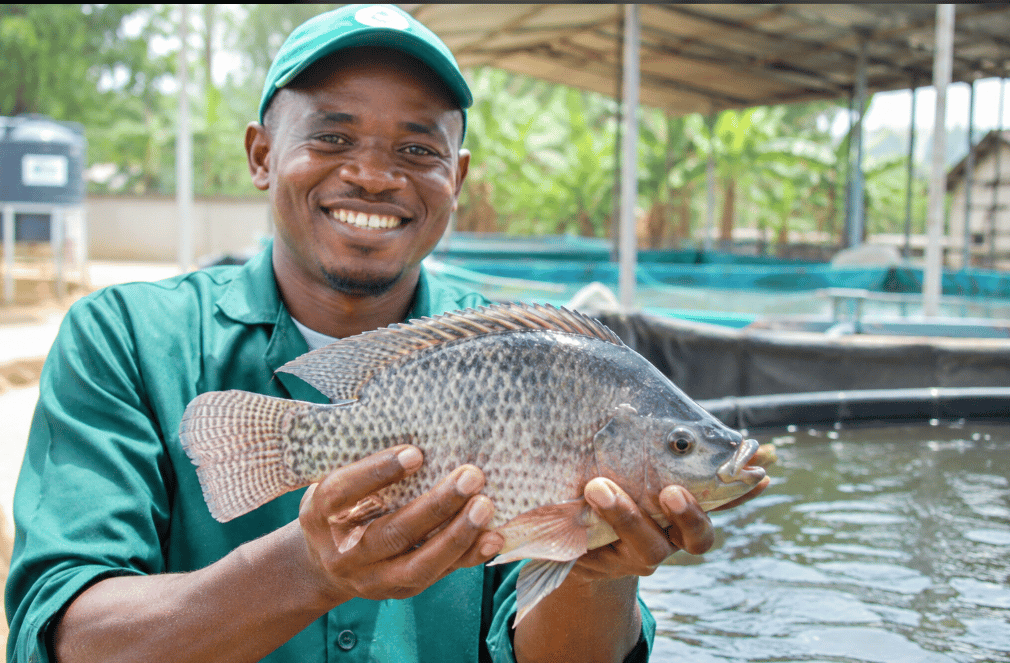
Understand the factors that influence fish selection, including environmental conditions, available resources, growth characteristics, and market demand.
The right choice at the beginning can make management easier throughout the production cycle.
💧 3. HOW TO MANAGE YOUR FISH POND
A healthy aquatic environment is essential for fish development.
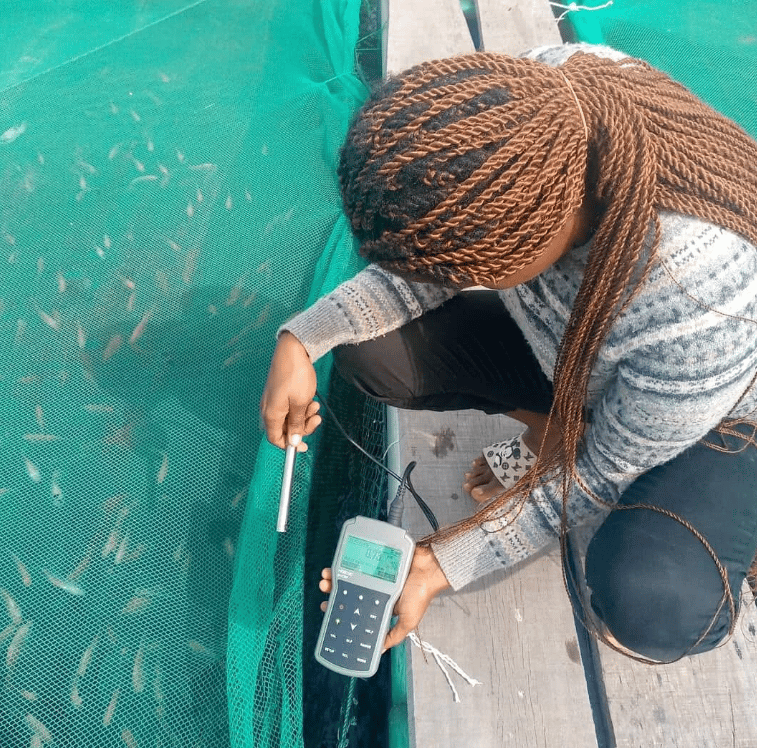
Learn about important pond-management principles, water conditions, maintenance routines, and the importance of regular observation.
Healthy fish begin with a properly managed environment.
🌾 4. HOW TO FEED YOUR FISH EFFECTIVELY
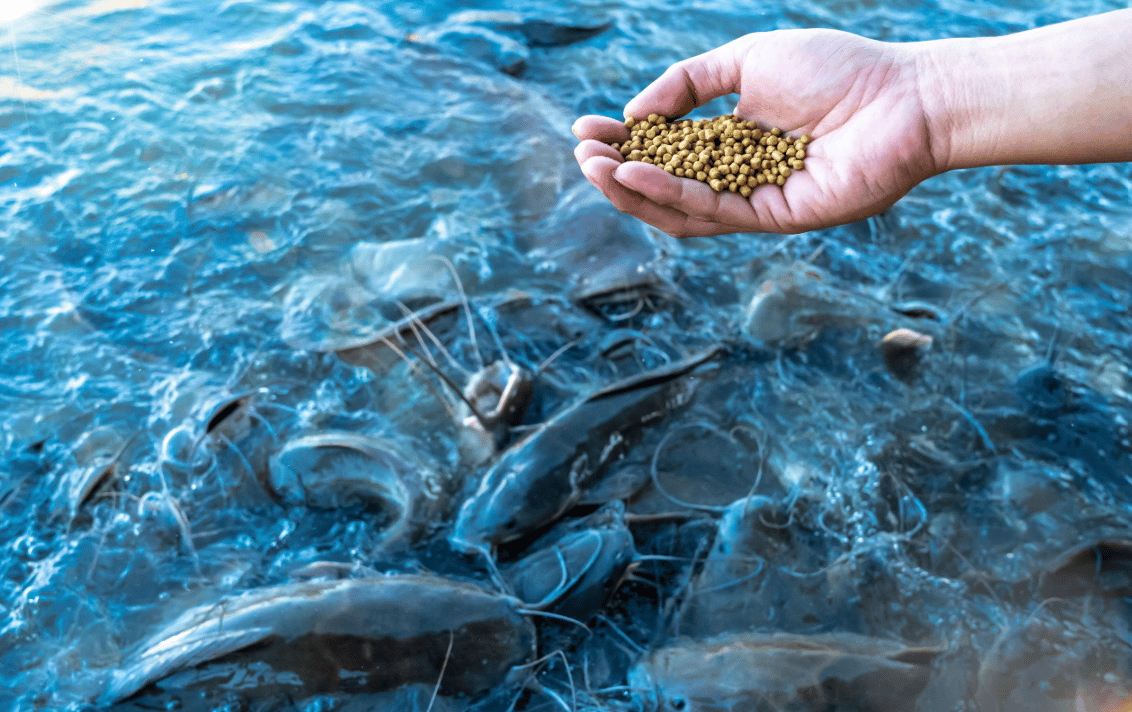
Feeding is one of the most important parts of fish production.
Explore feeding practices, feed management, growth monitoring, and ways to reduce unnecessary waste.
Good feeding practices support fish growth and more efficient farm management.
🛡️ 5. HOW TO RECOGNIZE AND REDUCE FARMING RISKS
Poor water conditions, overcrowding, inappropriate feeding, and delayed responses to health problems can affect your production.
Discover the importance of prevention, observation, hygiene, and timely professional assistance when fish health issues occur.
Prevention and early detection are essential parts of responsible fish farming.
📊 6. HOW TO MANAGE YOUR FARM LIKE A BUSINESS
Fish farming is both an agricultural activity and a business operation.
Understand why keeping records of feeding, fish growth, expenses, losses, and sales matters.
What you monitor, you can manage more effectively.
📈 7. HOW TO SUPPORT HEALTHY FISH GROWTH
Learn about the different stages of fish development and why regular monitoring matters throughout the production cycle.
Discover how organized management can help you identify problems and make adjustments.
🐟 8. HOW TO PREPARE FOR HARVESTING
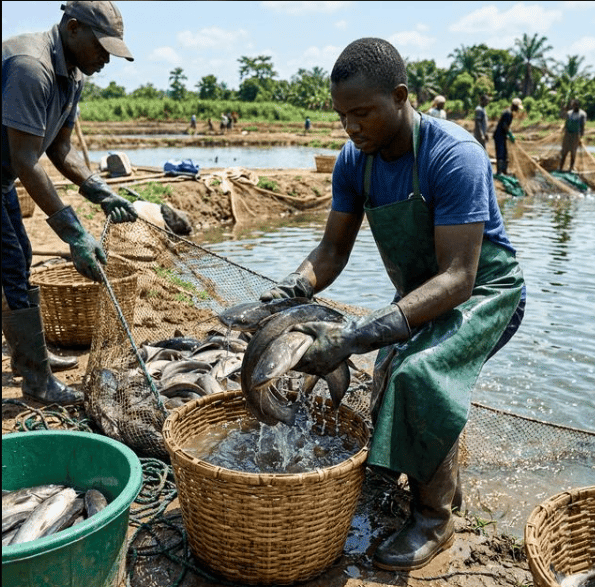
Harvesting should be planned before your fish reach market size.
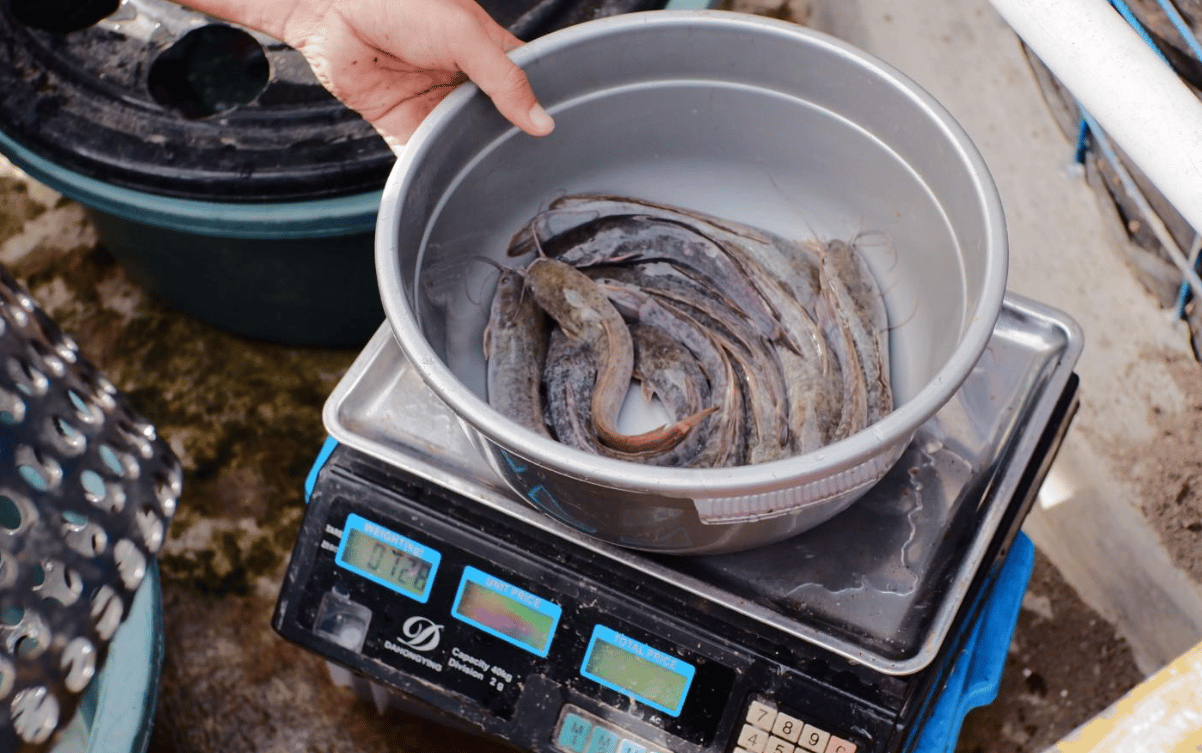
Explore the importance of harvest preparation, careful handling, and organizing your production schedule.
A successful harvest begins long before harvest day.
🤝 9. HOW TO PREPARE TO SELL YOUR FISH
Raising fish is only one part of the business.
You also need to think about your potential customers, product quality, market demand, transportation, and selling strategy.
Don't wait until harvest day to start looking for buyers.
🌍 10. HOW TO PLAN FOR LONG-TERM FARM GROWTH
Once you understand your production system, you can begin thinking about future cycles and gradual expansion.
Learn why careful planning, recordkeeping, and evaluating your results are important before increasing production.
Build your experience first. Expand with a strategy.
🔥 WHY THIS GUIDE IS WORTH READING
✅ A Structured Learning Path — Understand the main stages of fish farming in a logical order.
✅ Beginner-Friendly Explanations — Explore important concepts without unnecessary complexity.
✅ Practical Farm Management — Learn why feeding, water conditions, monitoring, and records matter.
✅ Business-Oriented Thinking — Look beyond production and consider harvesting, customers, and sales.
✅ Learn at Your Own Pace — Revisit the material whenever you need guidance.
✅ One Convenient Digital Resource — Keep essential fish farming information accessible on your device.
🚨 A POND FULL OF FISH DOESN'T ALWAYS MEAN A SUCCESSFUL BUSINESS
You can raise many fish and still struggle to achieve good results.
Why?
Because your outcome depends on more than the number of fish in your pond.
It also depends on:
- How well you manage feeding.
- The condition of your water.
- The health and survival of your fish.
- Your production planning.
- Your ability to monitor expenses.
- Your harvesting process.
- Your access to customers.
The difference between simply raising fish and managing a fish farming business often comes down to planning, knowledge, and consistency.
🎯 WHO IS THIS GUIDE FOR?
Aspiring Fish Farmers: People who want to understand the process before starting.
Small-Scale Farmers: People looking to improve their understanding of farm management.
Agricultural Entrepreneurs: Individuals exploring aquaculture as a potential business opportunity.
Students and Learners: Anyone interested in practical fish production and aquaculture principles.
Existing Fish Farmers: Producers who want a structured reference for reviewing their practices.
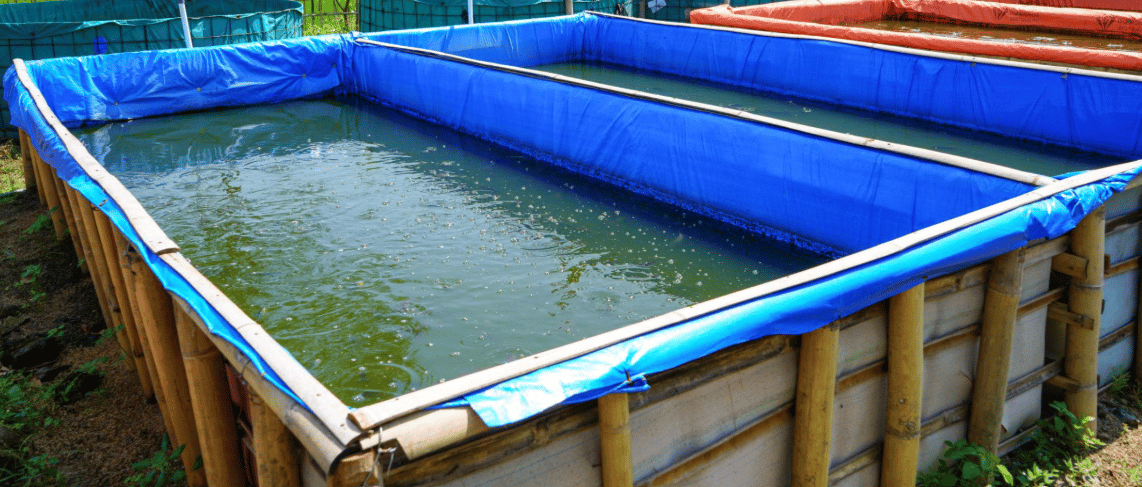
🌟 IMAGINE STARTING YOUR FISH FARM WITH A CLEARER PLAN
Imagine knowing the important questions to ask before preparing your pond.
Imagine understanding what to monitor as your fish grow.
Imagine organizing your feeding routines and keeping useful production records.
Imagine preparing for harvesting while already thinking about your potential buyers.
And imagine approaching your next production cycle with lessons learned from the previous one.
That's the value of learning the complete process instead of treating each stage as a separate problem.
🎁 WHAT WILL YOU RECEIVE?
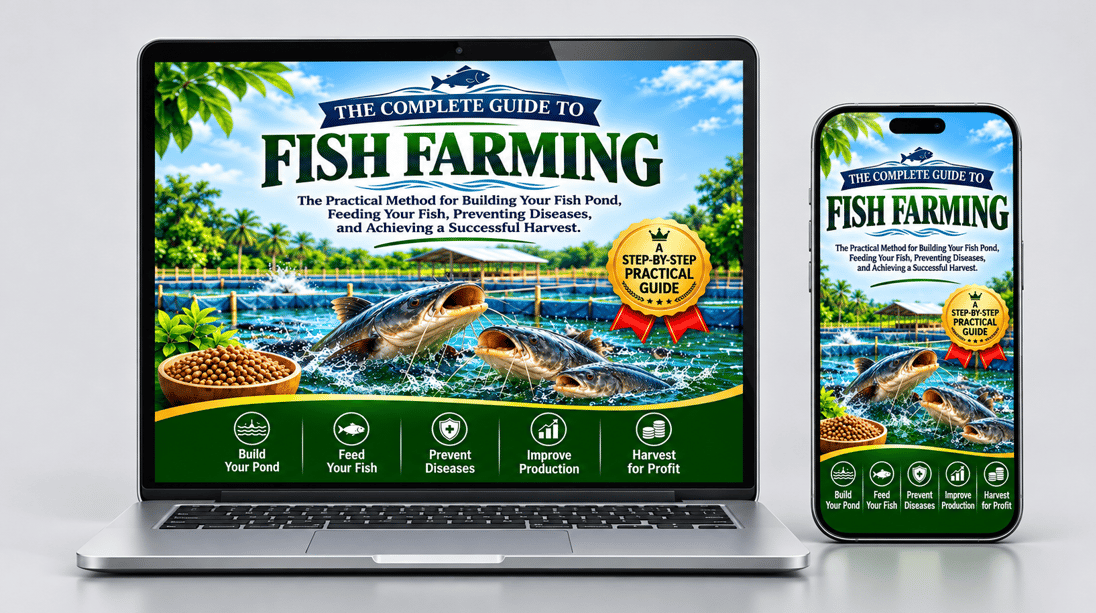
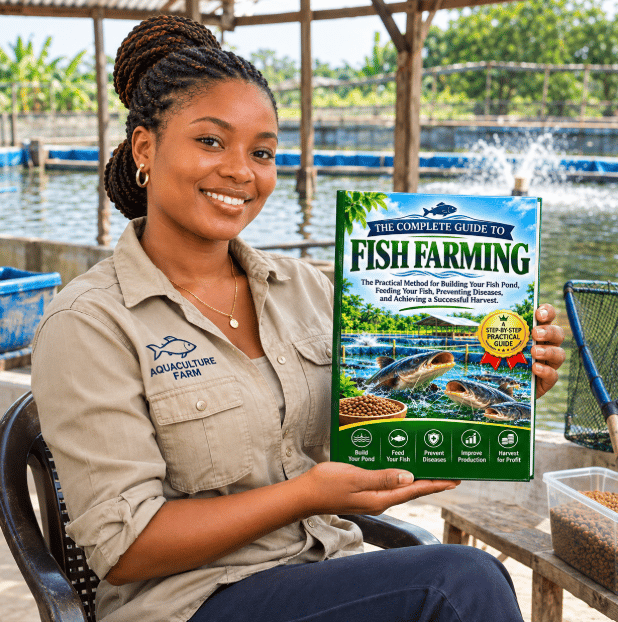
📘 THE COMPLETE FISH FARMING GUIDE
📄 79-Page Digital Guide
📱 Convenient PDF Format
💻 Accessible on Smartphones, Tablets, and Computers
📥 Digital Download After Purchase
Explore the guide, learn at your own pace, and revisit the information as you develop your fish farming project.
🎁 SPECIAL BONUSES TO HELP YOU GET STARTED!
🐟 More Than Just a Guide — Your Fish Farming Success Toolkit!
Get practical resources designed to help you turn your fish farming knowledge into action.
🎁 BONUS #1 — Fish Farming Startup Checklist
A practical checklist to help you organize the essential steps before launching your first fish farming project.
🎁 BONUS #2 — Fish Feeding & Growth Tracking Sheet
Keep track of feeding routines, fish growth, and important production information throughout your farming cycle.
🎁 BONUS #3 — Fish Farm Budget & Profit Calculator
A simple planning tool to help you estimate startup expenses, operating costs, potential revenue, and profitability.
🎁 BONUS #4 — Fish Farming Mistakes to Avoid
Discover common beginner mistakes and important precautions that can help you reduce unnecessary losses.
🎁 BONUS #5 — Fish Harvesting & Sales Planning Checklist
Prepare your harvest, organize potential buyers, and plan your sales more effectively.
🚀 EVERYTHING YOU NEED TO START LEARNING WITH CONFIDENCE!
1 Complete Fish Farming Guide + 5 Practical Bonus Resources
Stop guessing. Start planning. Learn how to manage your fish farming project with greater confidence.
👉 YES! I WANT THE COMPLETE FISH FARMING PACKAGE!
💬 TESTIMONIALS
Didier M. ⭐⭐⭐⭐⭐
I had a small pond in Libreville but I was just guessing. I bought this guide because I wanted a real method. The section on feeding management was a wake-up call. I was overfeeding and losing money. Now I follow a schedule and my fish are growing better.
Sabine K. ⭐⭐⭐⭐⭐
I wanted to start a fish farm in Douala but I was scared of losing my savings. This guide helped me understand the setup costs and the risks before I invested. It is very practical. I started with a small budget as recommended. I am now halfway through my first cycle and feeling confident.
Gédéon T. ⭐⭐⭐⭐⭐
What I liked most is that it does not just talk about raising fish. It talks about the business. I learned how to calculate my expenses and plan my harvest in Cotonou. I never thought of selling as part of the process before. Now I have buyers lined up before my fish are even ready.
Célestine O. ⭐⭐⭐⭐⭐
I am a beginner. I had no idea which fish to choose. The guide explains the factors clearly without making it complicated. In Dakar, I used the advice to select the right species for my climate and resources. It saved me from a costly mistake. I highly recommend it.
Léandre B. ⭐⭐⭐⭐⭐
The chapter on reducing mistakes was very useful. I had a problem with water quality and lost some fish. The guide helped me understand what to monitor. In Lomé, I now keep records of my water conditions. The losses have stopped. It is a simple but vital lesson.
Adrienne F. ⭐⭐⭐⭐⭐
I am planning to start a fish farm in Abidjan. I read the guide from cover to cover. It gives a clear roadmap. I liked the part on harvesting and selling. It made me realize that you need to plan your sales before you even stock your pond. Very practical.
Firmin S. ⭐⭐⭐⭐⭐
The guide is short but dense. It gives the essential information without filling pages with theory. In Brazzaville, I used it to plan my expansion from one pond to two. The advice on managing growth stages helped me stagger my production. It is a solid resource.
Murielle D. ⭐⭐⭐⭐⭐
I was looking for a way to make my small farm profitable. This guide showed me how to track expenses and control costs. In Kinshasa, I started recording every bag of feed. I realized I was wasting money. My margins have improved. It is worth the investment.
Cyprien N. ⭐⭐⭐⭐⭐
I appreciated the honest tone. It does not promise easy money. It tells you that a full pond does not mean profit. In Ouagadougou, I followed the step-by-step plan. I have a clear idea of what to do at each stage. I feel more prepared than before.
Solange R. ⭐⭐⭐⭐⭐
I have a small fish farm in Bangui. I bought this guide to improve my management. The section on preparing for harvest was very helpful. I used to sell my fish at the last minute, often at a low price. Now I plan ahead and get better offers. A very useful guide.


